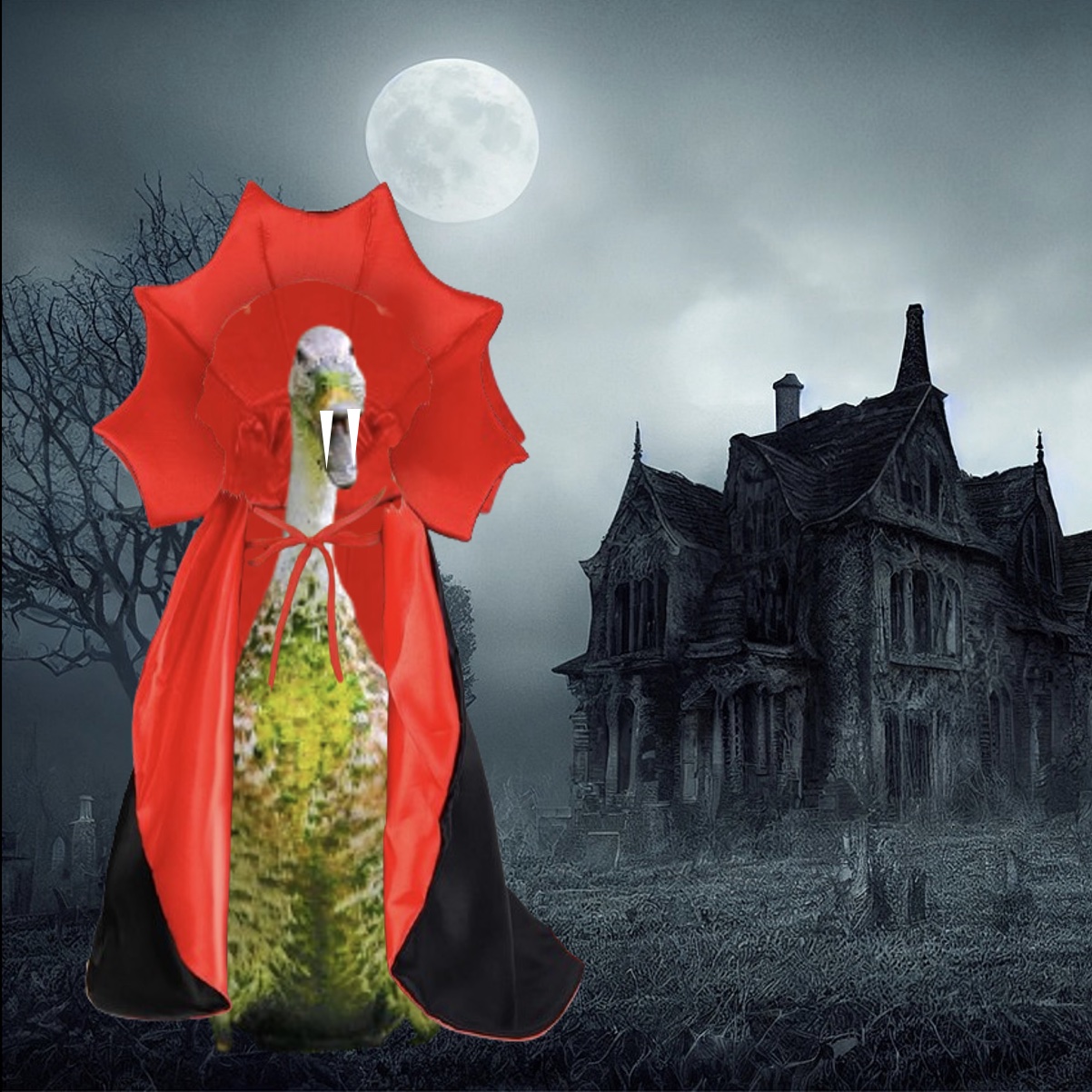
Graphic by Peg Ihinger
Ages ago, when I had a day job, my department got sent to one of those “team building” workshops. The first exercise, oddly, was to write a description of one’s “ideal day” — that impossible normal day when everything went perfectly all day long.
When some of us couldn’t or wouldn’t come up with an ideal day, the facilitator suggested doing the reverse—writing a description of the worst day-from-hell we could imagine.
That, everyone could do.
This came to my mind during my recent Worldcon trip, in conjunction with that old “do the worst thing you can to your character” suggestion. Because none of the day-from-hell scenarios people came up with included big things like “My doctor told me I have terminal cancer” or “My sister was murdered by a serial killer” or “My spouse took our joint savings and ran off with a lover,” which are all obvious possible “worst things to do to someone.”
No, the day-from-hell scenarios—for the real people, as well as the characters—were all about being nibbled to death by ducks. Vampire ducks with big fangs, maybe, but ducks nonetheless. Things like “I didn’t get to sleep until 4 a.m. and the alarm didn’t go off so I was late to work and I forgot to get gas and ran out so I was even later and didn’t get coffee. By the time I got to the office, the maple sugar donuts were gone. The coffee was out and I had to make a new pot and I spilled it down the front of my white shirt right before the big meeting with the senior partners. Somebody left the snacks out overnight so they were all stale and my boss gave me three new projects that will each take five hours to do and he wants all of them by three o’clock today.”
This is the kind of thing that will really torture a character…but it can be tougher to incorporate into fiction than it seems like it should be. The vampire ducks can distract from the plot, or make your protagonist seem like an inept doofus instead of making the reader think, “Oh, yeah, I’ve had days like that, too.”
You can, of course, make the vampire ducks a facet of the plot—deliberate sabotage by the villain, or the result of an actual curse that’s building up to the protagonist getting hit by a car. You can’t do that in every book, though. A huge flock of vampire ducks nibbling at the protagonist can distract from that central focus of the plot (sometimes even if the ducks all tie back to the central plot eventually). Also, spilling coffee on the character’s shirt before the big meeting can come across as being a little too convenient a failure mode in fiction. It makes the writer look lazy, even if it is a real-life hazard.
On the other hand, having the protagonist squish their way home in soggy, ruined shoes after the meeting (because they’re out of gas and it’s raining buckets) can add to the general gloomy atmosphere of things-went-wrong-today. It’s a matter of timing and emphasis.
The other problem with the “do the worst possible thing” advice is that, in fiction, “torturing” a character is usually not effective if it’s happening at random. The writer needs a reason why things are going wrong. (Usually. Sometimes random everyday stuff is the whole point, as in “One Ordinary Day, With Peanuts” by Shirley Jackson.)
Let me repeat that: the writer needs a reason for putting in the everyday aggravations. The reason may be plot-relevant—the protagonist has been cursed with bad luck, and all of the little things are symptoms of the curse; or the maple donuts are gone because someone is trying to cover up the fact that they were all poisoned, which the detective won’t discover until much later (“everyday aggravations” are a great way to hide clues and backstory in plain sight).
But the writer’s reason for throwing in a couple of nibbling ducks can also be pacing-related (slowing things down for a paragraph so the reader gets a breather), or tone-related (a moment of comic relief), or world-building (making an unfamiliar or invented time/place seem more realistic by having a character grumble about cleaning up after the kids or not having had their morning wake-up-beverage-of-choice yet), or character-related (that one person who is always grumbling about something), and so on.
Therefore, the point of doing a worst-day writeup for the main character(s) isn’t to shove the things you come up with into the story; it’s to help the writer see which ducks to let loose and when. Some writers may find it easier to write a “They Hate It When This Happens” list, instead of an ordinary-day-from-hell description. It doesn’t matter how you figure out what your characters’ vampire ducks look like, as long as you know what they are. For some people, no maple donuts and bad coffee count as ducks; for others, they’re a relief (of the “I don’t like coffee so it doesn’t matter, and I’m trying to cut down on sugar, so no maple donuts means no temptation” variety). Those people will have different ducks nibbling on them—nobody ran the dishwasher last night, so there are no clean forks at breakfast; the cat decided that 4 a.m. was the perfect time to catch a mouse and deliver it to them in bed; their favorite boots got chewed on by a chimera. That’s why you do the writeup: to figure out which ducks are nibbling on which character.
It’s often useful to do day-from-hell writeups for secondary characters, too, if only to find out what the sidekick and the love interest find irritating about the protagonist. (Because there’s going to be something, if you’re being realistic.) And you can quite often get material for a really good scene of the two secondary characters sitting at the bar, complaining about how annoying the protagonist’s habits are.


Vampire ducks? Endless nibbling? Lots of little things going wrong? Valid choices, but not for me, thanks. Those were what I dove into fiction to get away from.
But to each their own.
Best blog post title ever.
I’ll confess to mostly skipping over the everyday irritants in favor of moving the plot along — although in the current book, things like food and drink and a place to sleep, or the challenge of acquiring them, are the main focus of the plot. Along with the impending metaphysical doom, but the POV character doesn’t know about that yet. 😉
Best title, amen! The extended metaphor is possessing me so thoroughly that I keep getting distracted from the actual point of the article. 🙂 ‘Cry Havoc, and let slip the ducks of war!’
One charm of fiction is that the aggravations *make sense*. It’s the lack of visible reason that really puts the day-to-day stuff over the top.
When I first read the title of this post, I thought maybe the vampire ducks were a new version of the ninjas jumping through the window!
Ryan needs to learn to guard his thoughts, and Saira can teach him. But having established the basics, she’s doing it by waking him up in the middle of the night with mental attacks. If he can shield so automatically that he can sleep through this, he wins!
There are good reasons for this, but he is UTTERLY SICK OF IT. And Saira is in a different star system, so it’s hard to retaliate….
I don’t think I want vampire ducks for their own sake at all. But the ones that flow out of the weird situation are okay. The first time Ryan encountered the toilet that the aliens thoughtfully provided in the new diplomatic base, he very nearly ran off with his pants around his ankles. And then carefully explained that it needed not to start swallowing until the human was off it, and preferably out of sight.